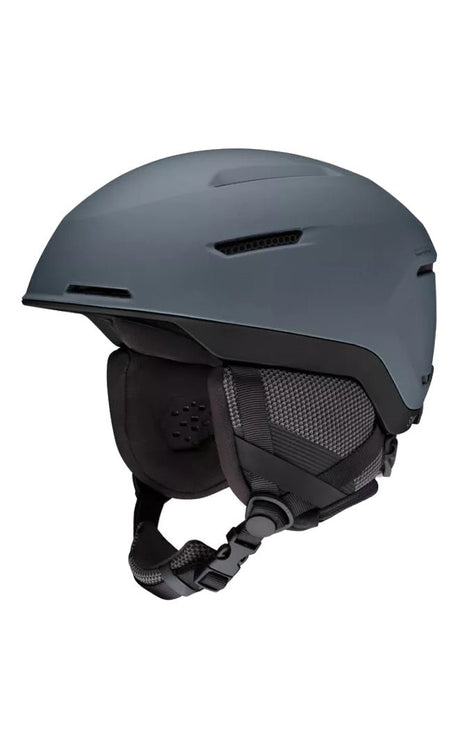
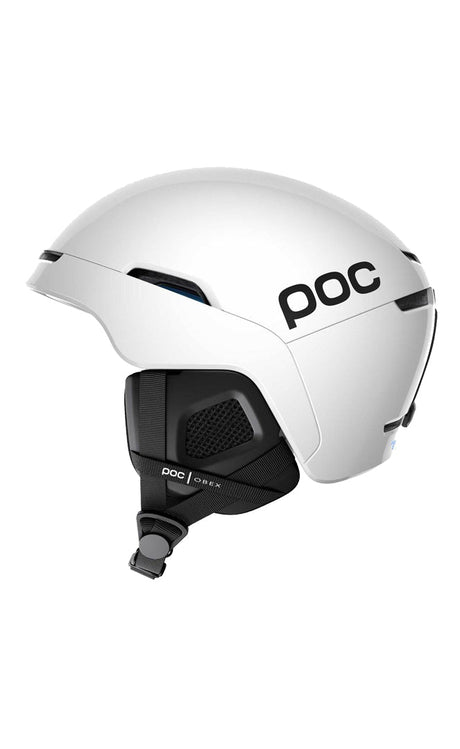
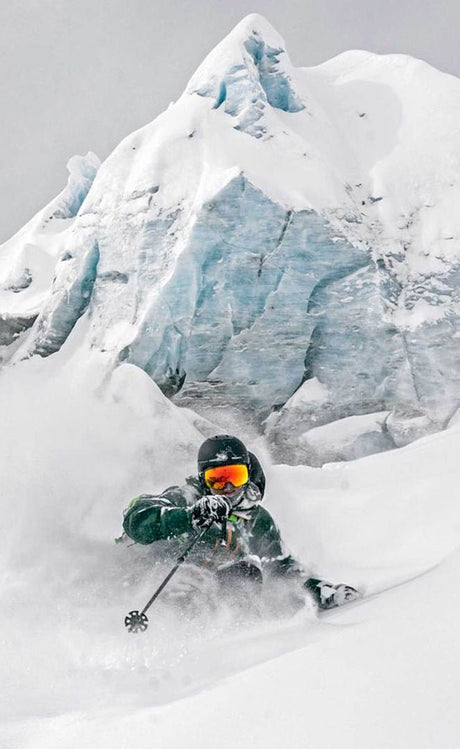
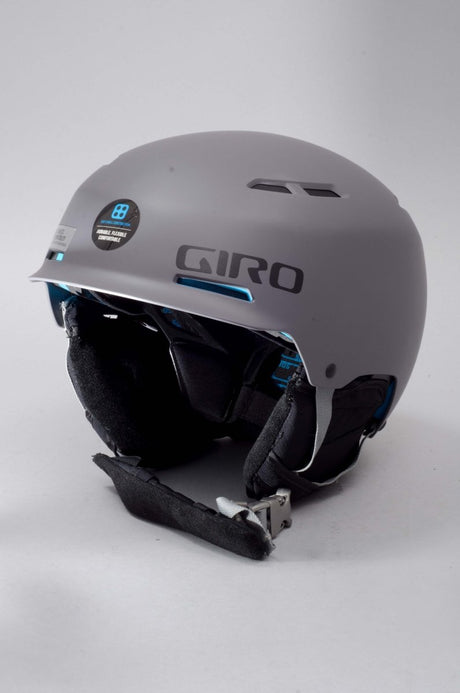
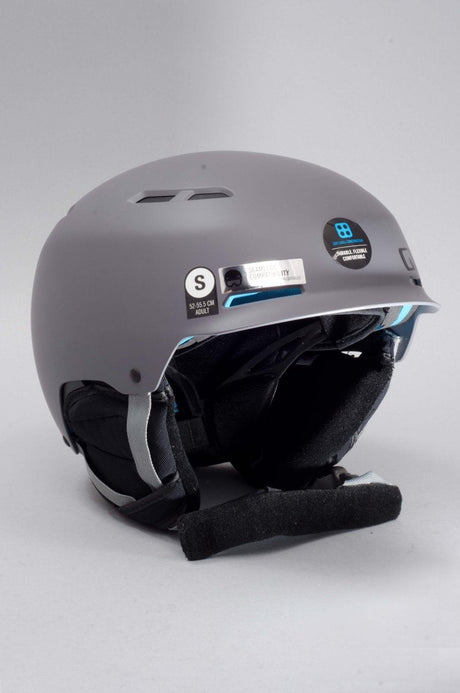
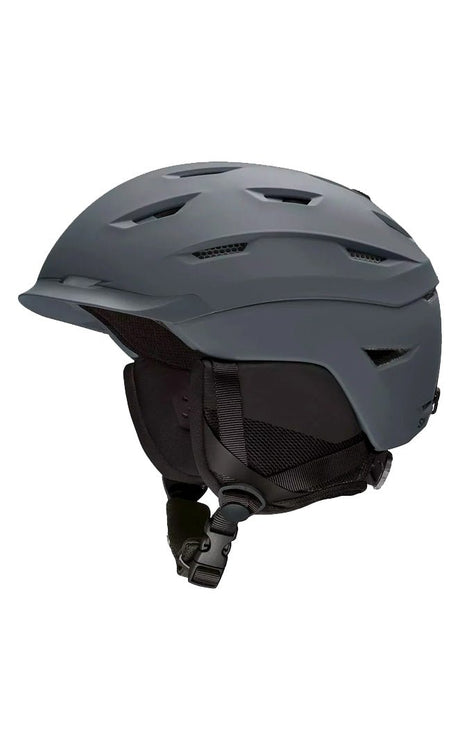
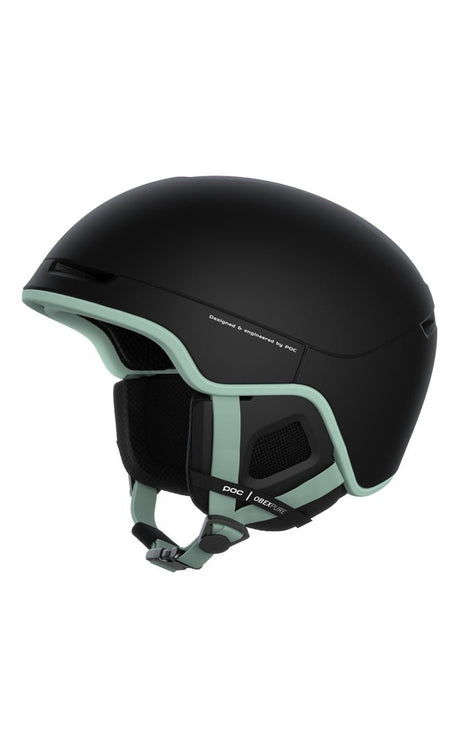
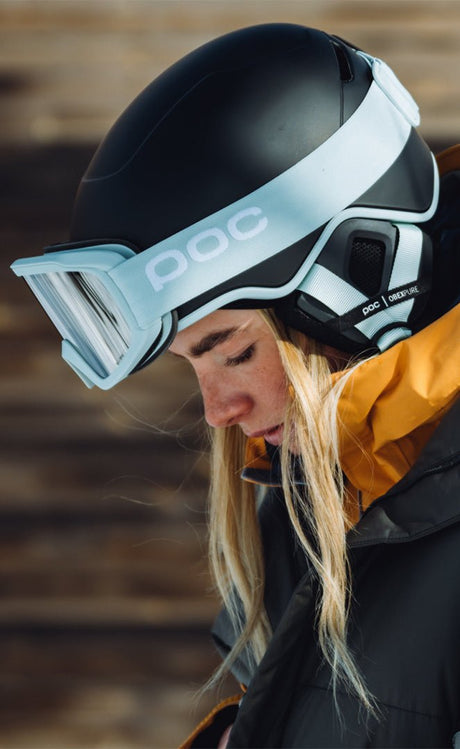
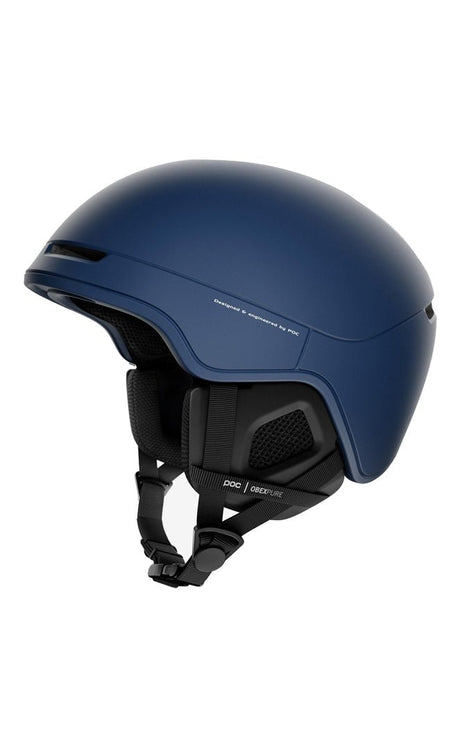
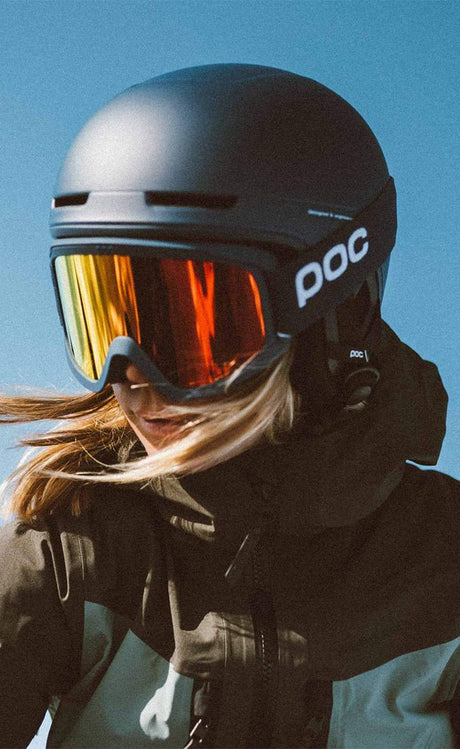
The snowboard ski helmet is an essential piece of equipment for practicing winter sports. It ensures your safety and allows you to enjoy your days on the slopes with complete peace of mind. Faced with an overwhelming range of options, it can be difficult to make a decision. In this article, we guide you in choosing your ski helmet and explain how to adjust it properly.
Find the right ski helmet according to your needs
To choose a suitable ski helmet, it is important to consider several criteria:
- Size: the helmet must be perfectly fitted to the shape of your head to ensure maximum protection.
- Weight: choose a lightweight model for better comfort during the day of skiing.
- Materials: choose durable and well-insulated materials for better protection against shocks and cold.
- Features: some helmets are equipped with ventilation systems, communication devices, or integrated visors, which can be very practical.
Choosing the right helmet size
To know your helmet size, measure the circumference of your head at the forehead level (usually the widest circumference). You can then refer to the indications given by the manufacturers to choose the most suitable model.
Different types of helmets
There are several types of helmets designed for winter sports:
- Full-face helmets: they offer complete face protection and generally have a hard shell as well as internal padding.
- Soft shell helmets: less resistant to impacts, they are however lighter and often cheaper.
- Modular helmets: the chin guard is removable, allowing you to adjust the level of protection according to your needs.
How to adjust your ski helmet?
A properly adjusted helmet ensures a better level of safety and comfort. Here are some tips to correctly adjust your helmet:
- The chinstrap: it must be tightened without compressing your throat and pass under the ears. You should be able to open your mouth without feeling tension in your neck.
- The adjustment system: many helmets have a dial at the back that allows fine adjustment of the tightness around the head.
- The inner foams: make sure they are comfortable and well positioned for optimal support.
Maintenance and lifespan of a ski helmet
To ensure the best possible protection, it is important to properly maintain your helmet:
- Clean it regularly (with mild soap and water) to prevent the buildup of bacteria in the foams.
- Check for the absence of cracks or deformations on the hull.
Know that a ski helmet generally has a lifespan of about five years. However, it should be replaced after a significant impact or if you notice signs of wear.
Budget: how much does a good ski helmet cost?
Ski helmet prices vary depending on the brands, materials, and features offered. Generally, expect to pay between €50 and €250 for a high-performance model. Feel free to check user reviews to get an idea of the product's quality.
Where to buy your ski helmet?
You can find ski helmets in stores specializing in winter sports, as well as on online sales sites. Take the time to compare offers, models, and available promotions to find the best deal. In conclusion, to choose the right ski helmet, consider essential criteria such as size, weight, materials, and desired features. Also, don't forget to regularly check and adjust the fit of your helmet for optimal safety.